Never written code? Take your app idea all the way to production.
Claude Code writes the code. You describe the app, approve the plan and test it on your phone. This course shows you how, and the Production Playbook walks you through what first-timers get stuck on: payments, privacy, store review and updates.
By Neetu Sharma, mobile app developer
Petmeetly, an app we vibe coded, now earns over $3,000 a monthNot typical. Most new apps earn little.Secure payment by Razorpay: UPI, cards and netbanking.
- 24 lessons
- Production Playbook
- 100 app ideas
- Mobile Dev Kit
- Certificate
- Lifetime access
A demo is the easy part. Production is where people get stuck
AI tools can get you a working demo fast. Then these questions start, and that's where most tutorials stop.
Where do my API keys go?
Put them in the app and anyone can pull them out. They belong on a server.
How do I charge people?
Apple and Google have their own rules for in-app payments, trials and restore buttons.
What if it crashes?
Without crash reporting, you won't know. People just delete the app.
Why was I rejected?
Stores look for a privacy policy, account deletion, a demo login and something original.
Who tests it?
New personal Google Play accounts need 12 testers in a closed test for 14 days before going live.
How do I fix it later?
Once people depend on your app, every update needs a safe way to ship and undo.
The course and the Production Playbook answer each of these, with steps you can follow and prompts you can paste.
You describe and test. Claude Code does the typing
Press play to see who does what at each step.
See what production-ready means, in one minute
Already have a demo? Check it now. Starting from nothing? Read this as your to-do list. The Production Playbook in module 7 covers each gate.
No idea yet? Pick one and open it on a phone
Tap an idea to see what it is, how it charges, what $3,000 a month would take, and how to build and launch it. All 100 are also on our searchable ideas site.
Ideas come from our own review of app listings and product pages, October to November 2026. They are starting points, not a promise of income: most new apps earn little, and results depend on what you build and how you market it.
An app we've built: Petmeetly
Petmeetly is one of the apps we vibe coded. It now earns more than $3,000 a month. Here's the path this course teaches, step by step.
$3,000 to $5,000 a month is a target to plan around, not a promise. Petmeetly's result is not typical. Most new apps earn little, and what you earn depends on your idea, your marketing and the time you put in.
What would $3,000 to $5,000 a month take?
Move the sliders. It's plain arithmetic, so you can see how many paying users a price needs before you build anything.
What you'll pay besides this course
No surprises. Start on Android if you want the lowest first cost.
| What | Cost | When you need it |
|---|---|---|
| This course | ₹999 once | Now |
| Claude plan or Anthropic API | Paid to Anthropic | To use Claude Code at all |
| Google Play developer account | $25 once | To publish on Android |
| Apple Developer Program | $99 a year | To publish on iOS and use TestFlight |
| Expo (builds and updates) | Free plan to start | Has monthly limits |
| Supabase (database and sign-in) | Free plan to start | If your app stores data |
| RevenueCat (payments) | Free up to $2,500 monthly revenue, then 1% | If your app charges |
| Apple's and Google's cut | Usually 15% | On each sale, when you qualify for the lower rate |
Checked on each provider's site on 4 Nov 2026. Prices can change, so check again before you pay.
Built for first-timers with an idea
This is for you if
- You have an app idea, or want one, and have never coded.
- You're OK following setup steps one at a time. Claude Code runs the commands and explains them.
- You'll test on your own phone and say clearly what's wrong.
- You want a real app on the stores, not just a demo.
Skip it if
- You want someone else to build it for you. You stay in charge of what ships.
- You want to learn programming from scratch. This course teaches you to direct Claude Code, not React Native or Swift.
- You want guaranteed income. Nobody can promise that, and we don't.
- Your app will handle health, money or children's data and you won't get an expert to review it.
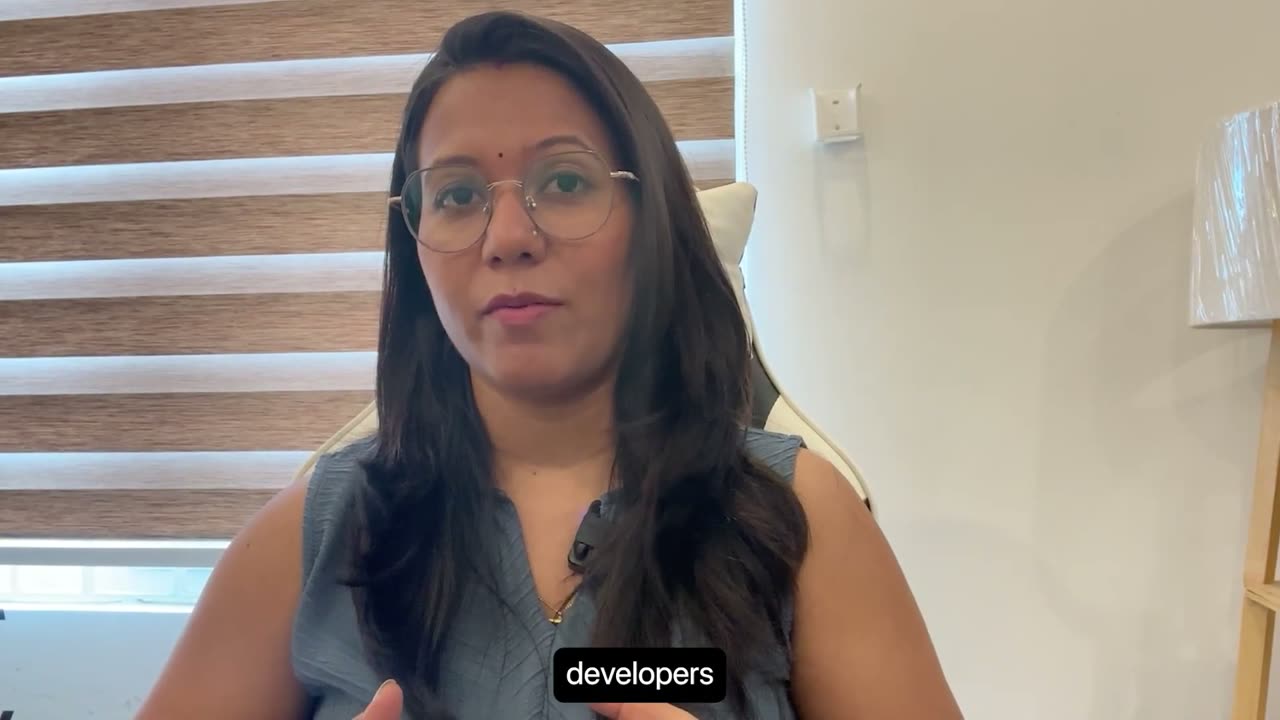
24 lessons in 7 modules
2 h 4 min of video in a fixed order, from install to plugins. Every lesson title is listed here, so you know exactly what you're buying.
A note for first-timers: these lessons were recorded for developers, on a React Native app. You'll see code on screen, and you don't need to write it. They teach you how to direct Claude Code. The Production Playbook in module 7 is written in plain language.
M1 Getting Started
- 01Series Overview & Introduction Free preview
- 02Install Claude Code & Connect Your Editor
- 03Basic Usage & IDE Integration
- 04A Quick Tour of the Claude Desktop App
M2 Configure & Everyday Usage
- 05Configuration & Settings
- 06Sessions, Context & Usage Limits
- 07Essential CLI Commands & Tips
M3 Safety: Permissions, Sandboxes & Workflow
- 08Permissions Explained: File Edits, Git Commands & Safety
- 09Docker Sandboxes: Safer AI Coding
- 10Built-in Sandbox Mode: Auto-Allow vs Regular Permissions
- 11Track, Review & Revert Changes
M4 Prompt & Context Engineering
- 12Module Intro: Prompt & Context Engineering
- 13The Prompt Engineering Blueprint
- 14Project Memory: CLAUDE.md Explained
- 15Plan Mode: Think Before Coding
- 16The Built-in Tools: Read, Edit, Write, Grep, Glob & Bash
M5 MCP & Subagents
- 17Model Context Protocol (MCP): Connect External Tools
- 18Built-in Subagents: Explore, Build & Execute
- 19Custom Subagents: From Built-in to Custom Agents
M6 Skills, Commands, Hooks & Plugins
- 20Skills: Build Reusable AI Workflows
- 21Enhancing Skills: Custom & Community Skills
- 22Custom Commands: Bug, Security & Performance Reviews
- 23Hooks: Automate Your React Native Workflow
- 24Plugins: Figma, GitHub & Jira
M7 Mobile Dev Kit, App Ideas & Production Playbook (downloads)
- zipMobile Dev Kit: CLAUDE.md templates, settings presets, slash commands, subagents, skills, hooks, MCP setups, plugin bundle and prompt templatesdownload
- pdfClaude Code cheat sheetdownload
- pdfTop 100 App Ideas: a build plan for every idea, plus a spreadsheetdownload
- pdfApp Ideas Playbook: full guides for 15 ideasdownload
- pdfProduction Playbook: prototype to the stores, in 10 gatesdownload
Total: 24 lessons · 2 h 4 min · English · 1080p
The Mobile Dev Kit: ready-made tools for Claude Code
You don't have to understand these files. Copy them into your project, and Claude Code reads and uses them for you. You'll find the kit in module 7.
-
015 templates
CLAUDE.md templates
Project memory that tells Claude Code how your app is built: folder structure, navigation, state, styling, and the commands to build, lint and test. Start every session with your rules already loaded.
-
02presets
Settings presets
Safe settings.json permission sets for mobile repos, so routine commands don't need approval every time and risky ones stay blocked. Includes sandbox notes.
-
039 commands
Slash commands
One command per repeat job: bug, security, performance and accessibility reviews, a release checklist, test writer, crash explainer, PR description and an Expo SDK upgrade.
-
047 subagents
Subagents
Specialists Claude Code can hand work to: RN UI builder, mobile test writer, crash investigator, code reviewer, accessibility auditor, performance profiler and release manager.
-
055 skills
Skills
Step-by-step workflows for jobs mobile devs repeat: Expo EAS build and submit, RN screen scaffold, Figma-to-RN screen, App Store and Play Store release notes, i18n strings.
-
065 hooks
Hooks
Guardrails that run on their own: auto-format after edits, block edits to generated folders (Pods, build, .expo), typecheck on stop, a desktop notification and a secret guard.
-
075 setups + bonus
MCP setups
Ready-made configs to connect Claude Code to Figma, GitHub, Jira/Atlassian, mobile simulator control and XcodeBuild, plus Supabase as a bonus.
-
081 plugin
Plugin bundle
The whole kit packaged as one Claude Code plugin. Install it instead of copying files by hand, and get the commands, subagents, skills and hooks in any project.
-
097 templates
Prompt templates
From the Prompt Engineering Blueprint lesson: an app spec blueprint, plan mode kickoff, new feature, bug fix, refactor, a screen from a screenshot or Figma frame, and a code review request.
-
10PDF
Cheat sheet
Commands, shortcuts, permission modes, and which file lives where, in one PDF to keep next to your editor.
Learn from a mobile developer

Neetu Sharma
Mobile app developer
Neetu teaches iOS (Swift) and React Native development on YouTube. In this course, Neetu uses Claude Code on a React Native app, one feature per lesson, from install and permissions to subagents, skills, hooks and plugins.
youtube.com/@neetusharma-appdevEverything in the course
- 24 HD video lessons2 h 4 min in 1080p, in English, in 7 modules from setup to plugins.
- The Mobile Dev Kit10 parts: CLAUDE.md templates, settings presets, slash commands, subagents, skills, hooks, MCP setups, a plugin bundle, prompt templates and the cheat sheet PDF.
- Top 100 App IdeasA build plan for all 100 ideas: MVP scope, stack and a ready-to-paste Claude Code prompt, as a PDF and a spreadsheet.
- App Ideas PlaybookFull guides for 15 of those ideas: how to stand out, risks to watch and a go or no-go check. A starting point, not an income promise.
- Production PlaybookTake a Claude Code app from prototype to the stores through 10 gates, from keys and payments to privacy and store review, with prompts to paste and first-time setup steps.
- Certificate of completionWhen you finish the course.
- Private chat room for buyersAsk questions about the lessons inside TagMango.
- Lifetime access, self-pacedStart any time and rewatch any lesson on your phone or laptop.
- 24 lessons, 2 h 4 min
- Mobile Dev Kit and cheat sheet
- Top 100 App Ideas, with 15 full playbooks
- Production Playbook
- Certificate and buyers' chat room
- Lifetime access on TagMango
Secure payment by Razorpay: UPI, cards and netbanking.
All sales are final because the kit downloads right away, so watch the free lesson and read the syllabus first. Claude Code itself needs a paid Claude plan or an Anthropic API account, which is not included.
Questions, answered
The title says "for mobile app developers". Will I keep up?
The lessons were recorded for developers, on a React Native app, so you will see code on screen. You don't have to write it or understand all of it. You're there to learn how to direct Claude Code: how to plan, check its work and stay safe. The Production Playbook is written for first-timers and starts with setup.
Watch lesson 1 free first. If it's not for you, don't buy: all sales are final.
Do I need a Mac?
Not to start. Claude Code runs on macOS, Windows and Linux, and Expo's cloud service can build iOS apps for you. You can test on an iPhone through TestFlight. To publish on iOS you still need the Apple Developer Program at $99 a year. Android is the cheaper start, at $25 once.
What will it cost besides the course?
You need a paid Claude plan or an Anthropic API account, paid to Anthropic. To publish: Google Play at $25 once, and the Apple Developer Program at $99 a year. Expo, Supabase and RevenueCat have free plans to start with, and RevenueCat is free up to $2,500 of monthly revenue.
What if I get stuck?
Paste the error into Claude Code and ask it to explain in plain words. The kit also has /explain-crash for crash logs. For questions about the lessons, use the private chat room for buyers.
Will Apple or Google reject an AI-built app?
Store review looks at the app itself. Apple's guidelines push back on apps that feel like a repackaged website or copy what's already out there, and both stores have strict privacy rules. So build something specific, and prepare your review notes and privacy answers.
Rejections happen. Read the reason, fix it and resubmit. The Production Playbook covers this.
What does production-ready mean here?
Safe and ready for real users and real money. We check 10 gates: keys and secrets, accounts and data rules, payments, crash reporting, errors and bad networks, AI and API cost limits, real-device testing, privacy and permissions, store listing and review, and updates and rollback.
The Production Playbook covers each gate, with prompts to paste and a way to check the result yourself. It's a strong checklist, not a guarantee: you're still responsible for what you publish, and apps that handle health, money or children's data need expert review.
What is the Production Playbook?
A PDF in module 7, written in plain language. It takes a Claude Code app from prototype to the stores through the 10 gates: what can go wrong, what to paste into Claude Code, and how to check the result. It also has setup steps for people who have never used a terminal.
How long will it take?
It depends on the app and your hours, so we won't promise a number. Each idea is labeled by build size. Allow time for the stores too: new personal Google Play accounts need a 14-day closed test, and store review takes extra time.
Can an app really earn $3,000 to $5,000 a month?
Some do. Petmeetly, an app we vibe coded, earns more than $3,000 a month. But most new apps earn far less, and many earn nothing. Treat the figure as a target to plan around, and use the calculator to see what it takes. This course teaches the build and the launch. It can't promise a result.
Is this passive income?
Not really, at least not at first. Building, testing and finding users is real work, and a live app still needs updates, support and marketing. A stable app can take less of your time later, but don't plan on it running itself.
How do I get access after paying?
The course unlocks right after payment, and the next page shows the login steps. Log in at TagMango with the same phone number or email you paid with, and you'll find the course under Courses. We also email you the steps.
Do I need a paid Claude plan?
Yes. Claude Code needs either a paid Claude plan (such as Pro or Max) or an Anthropic API account with billing set up. That cost is separate from this course and is paid to Anthropic, not to us.
Are these the same videos as on Neetu's YouTube channel?
The 24 lessons come from Neetu's Claude Code series for mobile developers. Here they're organised into 7 modules and play ad-free inside TagMango. What you only get by buying: the Mobile Dev Kit, the cheat sheet, the build plans, the Production Playbook, a certificate of completion and the private chat room for buyers.
What are the 100 app ideas?
A shortlist from our research on new iOS and Android apps, there to give you something real to build while you learn. Anyone can search the ideas on our site. Module 7 of the course adds a build plan for all 100 (MVP scope, suggested stack and a ready-to-paste Claude Code prompt, as a PDF and a spreadsheet), plus the App Ideas Playbook: full guides for 15 of them, with ways to stand out, risks to watch and a go or no-go check. It is not a promise of income: most new apps earn little, and our market signals are our own judgment, which can go out of date.
Do I get a certificate?
Yes. You get a certificate of completion when you finish the course on TagMango. It shows you completed this course. It is not a certification from Anthropic.
How long can I access the course?
Lifetime access: watch at your own pace and rewatch any lesson for as long as the course is on TagMango. The kit files you download are yours to keep.
Can I get a refund?
All sales are final, because the Mobile Dev Kit can be downloaded the moment you buy. That's why lesson 1 and the full syllabus are public: watch the preview and read every lesson title before you pay.
If you were charged twice, or paid but can't get into the course, email us and we'll sort it out. Details are in the refund policy.
What language is the course in?
English.
Is the payment secure?
Checkout and payment happen on TagMango and are processed by its payment partner, Razorpay. We never see your card, UPI or bank details.
Is this an official Anthropic course?
No. It's an independent course by Neetu Sharma, not affiliated with or endorsed by Anthropic.
How do I get help?
Email appyseaofficial@gmail.com and include the phone number or email you used to pay. For questions about the lessons, use the private chat room for buyers on TagMango. More on the contact page.
Bring the idea. Claude Code writes the code
24 lessons, 100 ideas with build plans, the Mobile Dev Kit and the Production Playbook.
Secure payment by Razorpay: UPI, cards and netbanking.